Team Speed: CMRA Racing
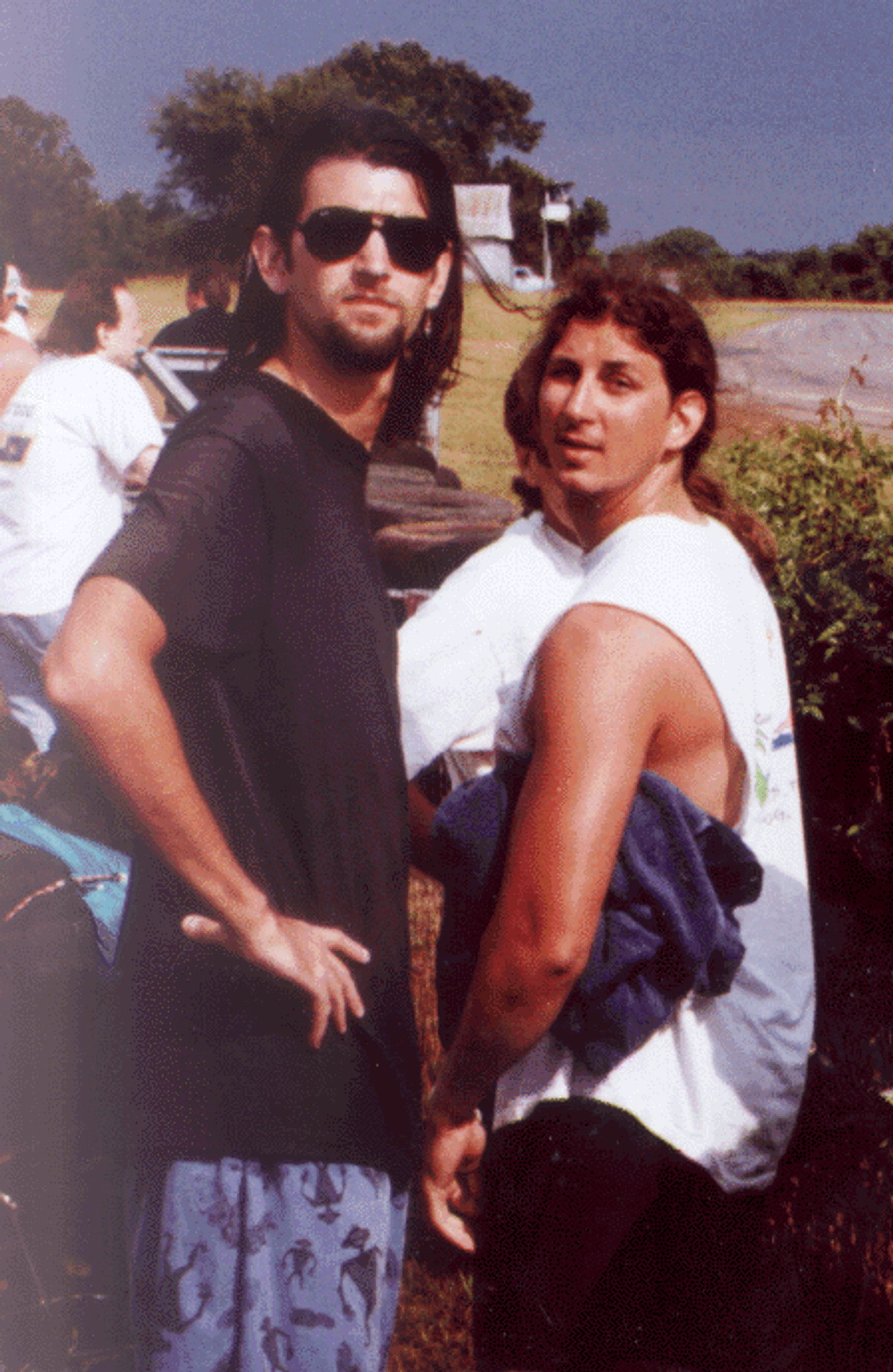
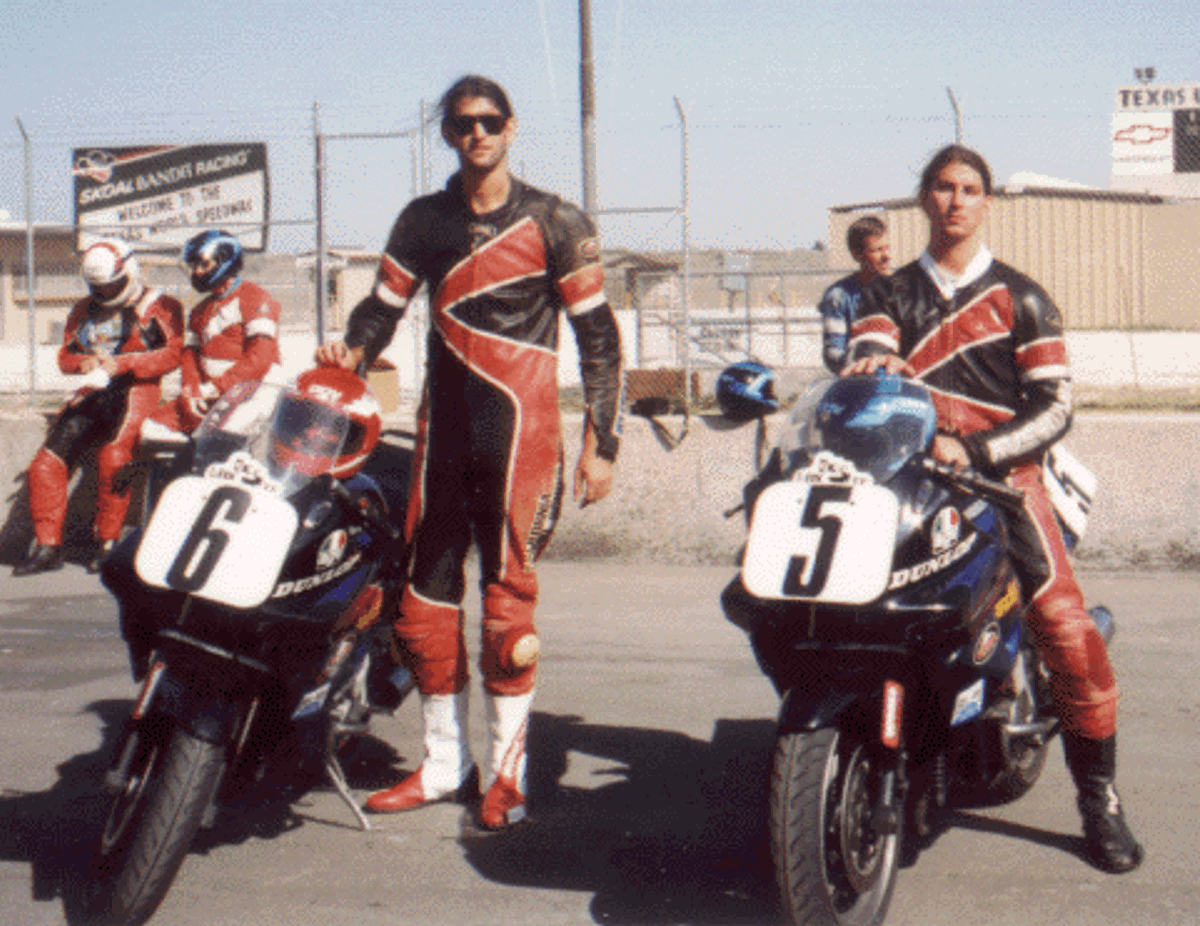
Kris figured out that if Nortel reimbursed social clubs for their activities, there was no reason a racing team couldn't qualify. That loophole launched Team Speed and four years of racing across Texas, Oklahoma, Monterrey Mexico and a few tracks we had no business showing up at.

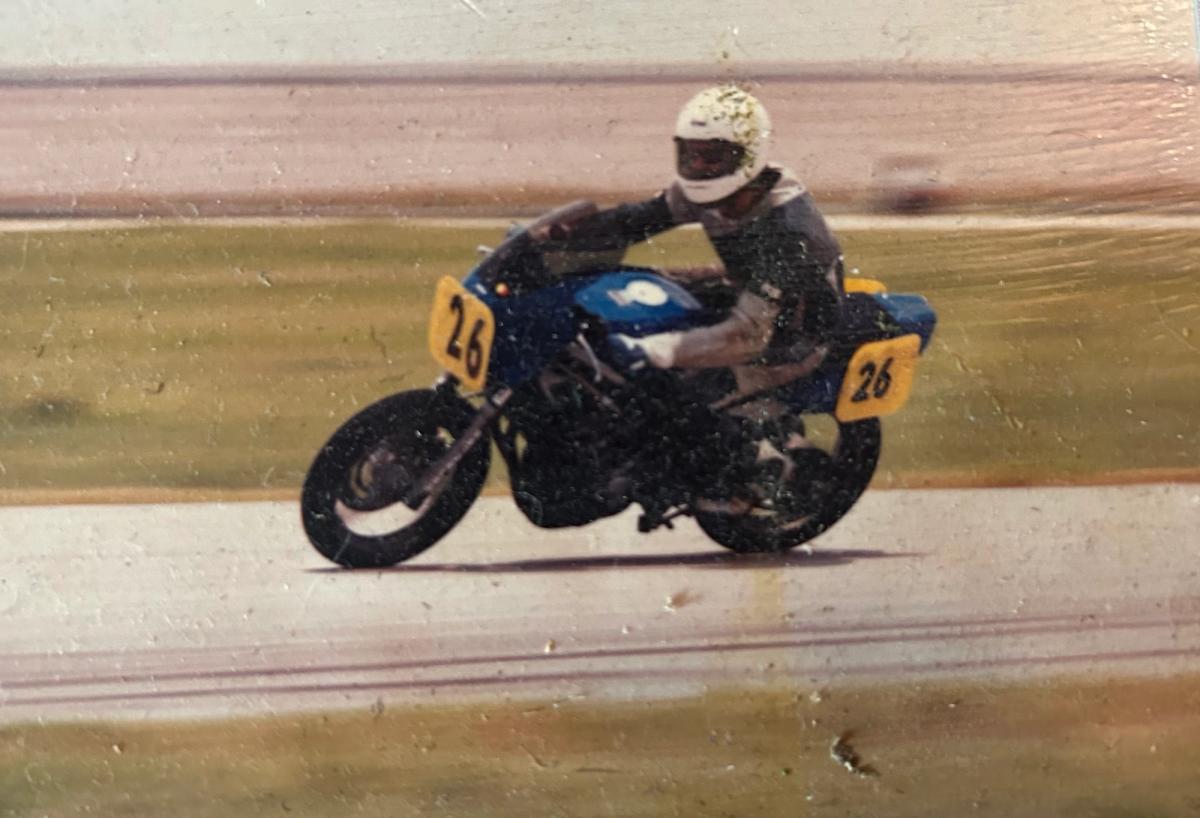
There's a version of this story where it starts with a spreadsheet and a policy document. The real version starts with Kris on a 1985 Honda Interceptor 500, already racing in the CMRA Sprint series across Texas and Oklahoma, staring at expenses and doing the math on how much it costs to race a motorcycle.
Nortel Networks had social clubs. Social clubs got their entry fees reimbursed — running club got 5K runs, golf tournaments, that kind of thing. Kris's logic was simple: if a fun run qualified, why not a motorcycle race? He ran it up the flagpole, it came back approved, and somewhere around 1992 the idea that would become Team Speed was born.
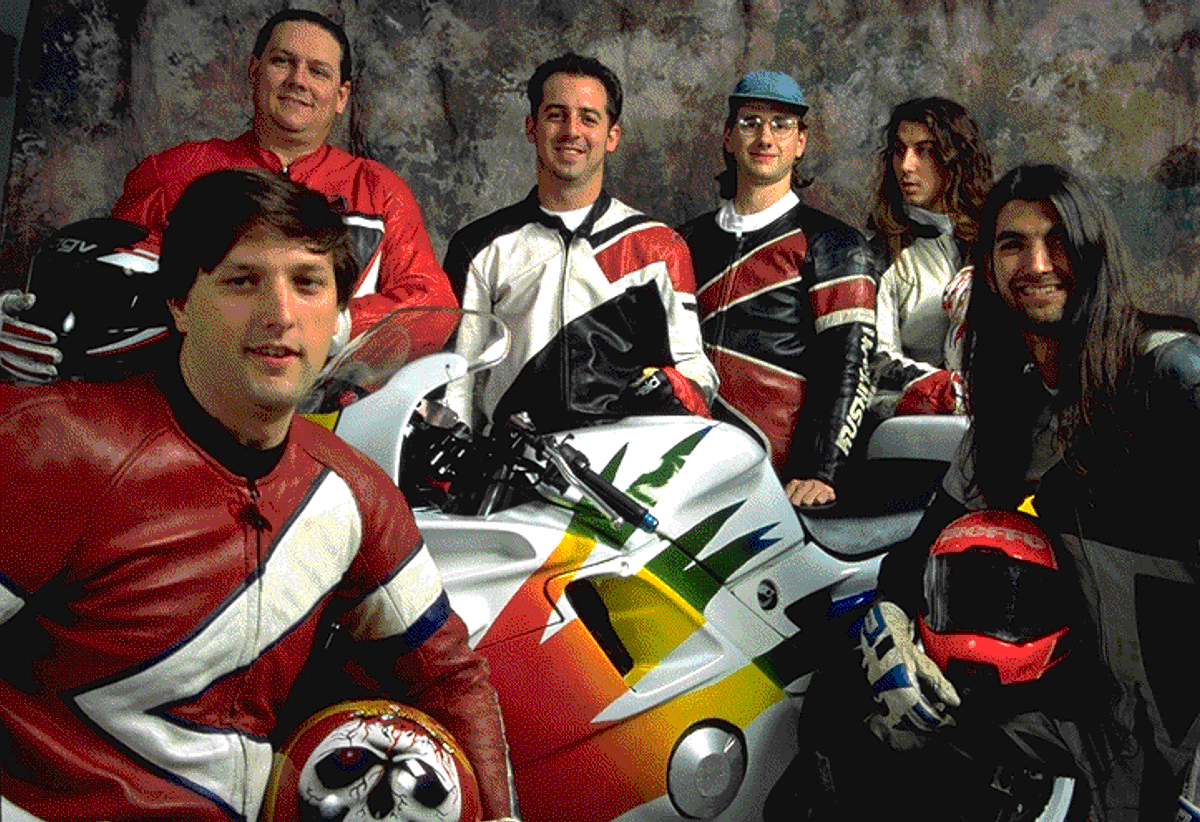
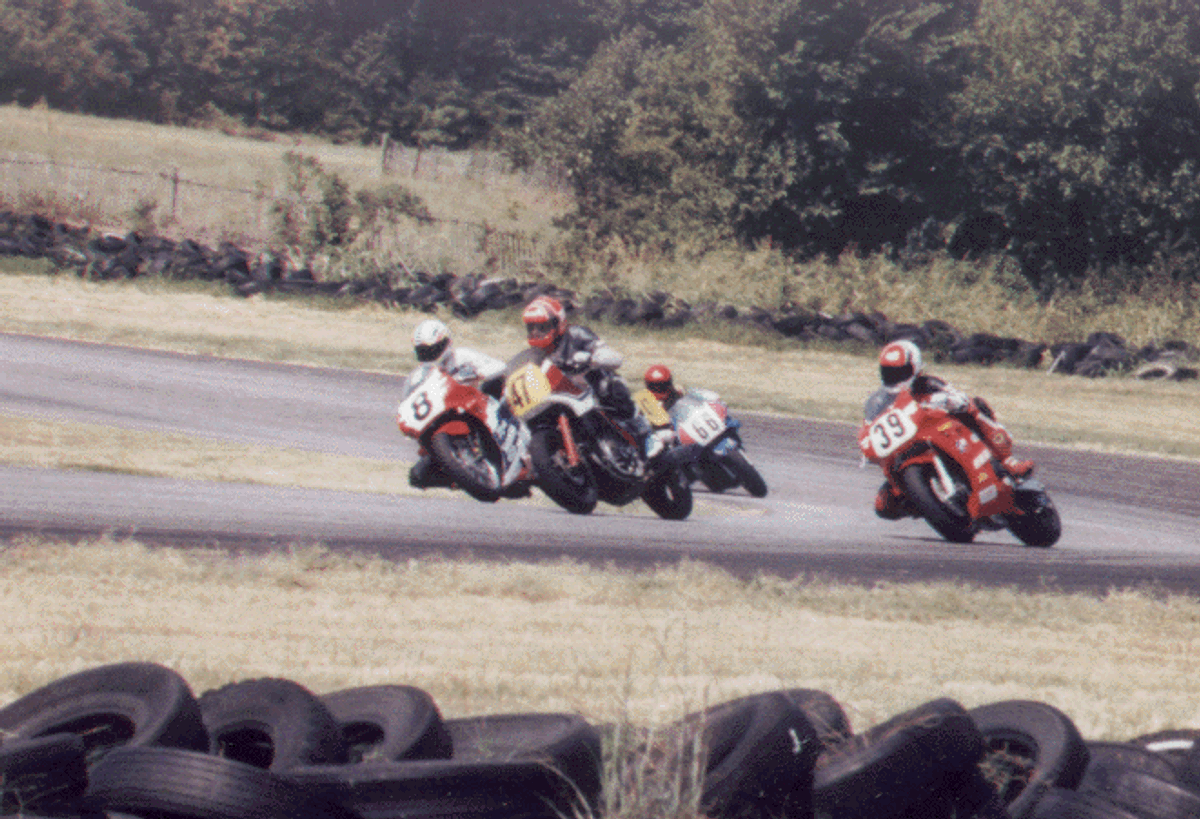
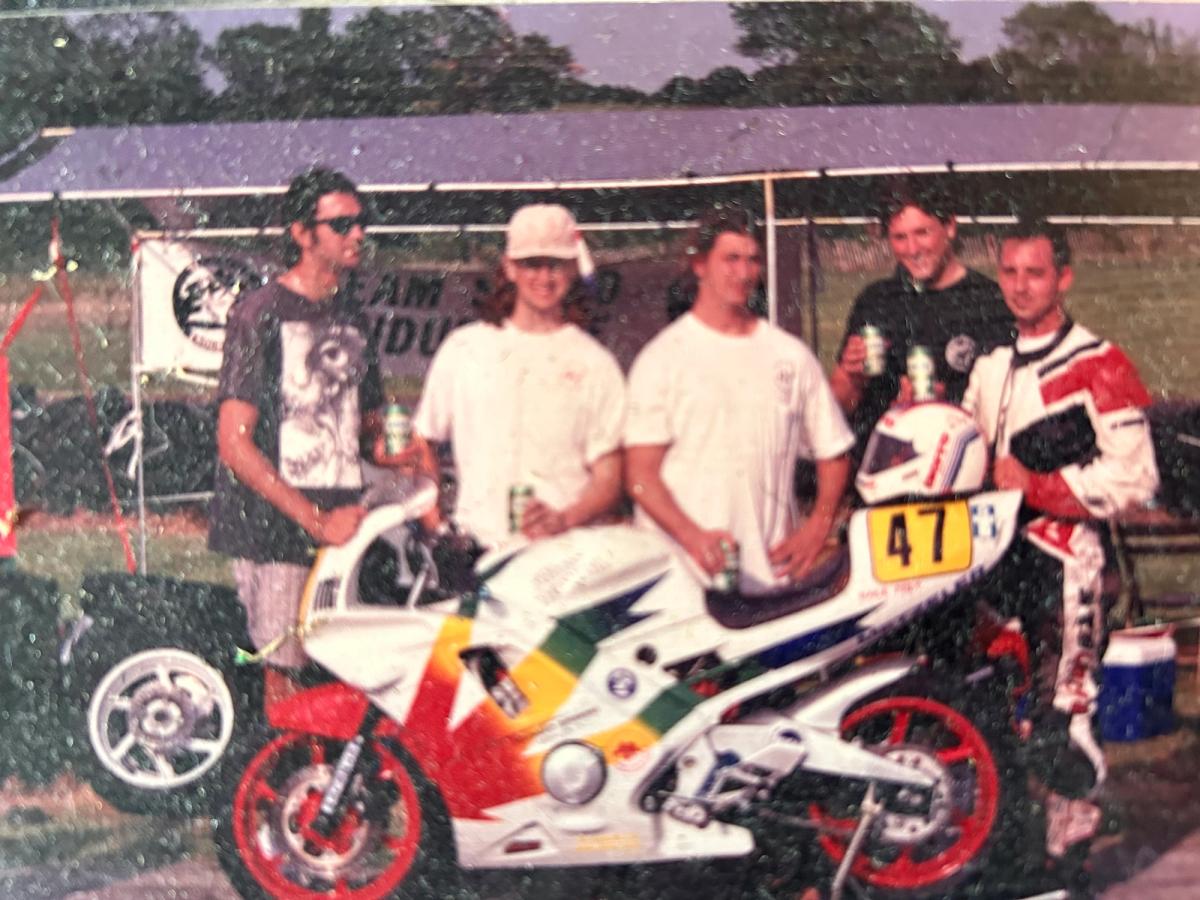
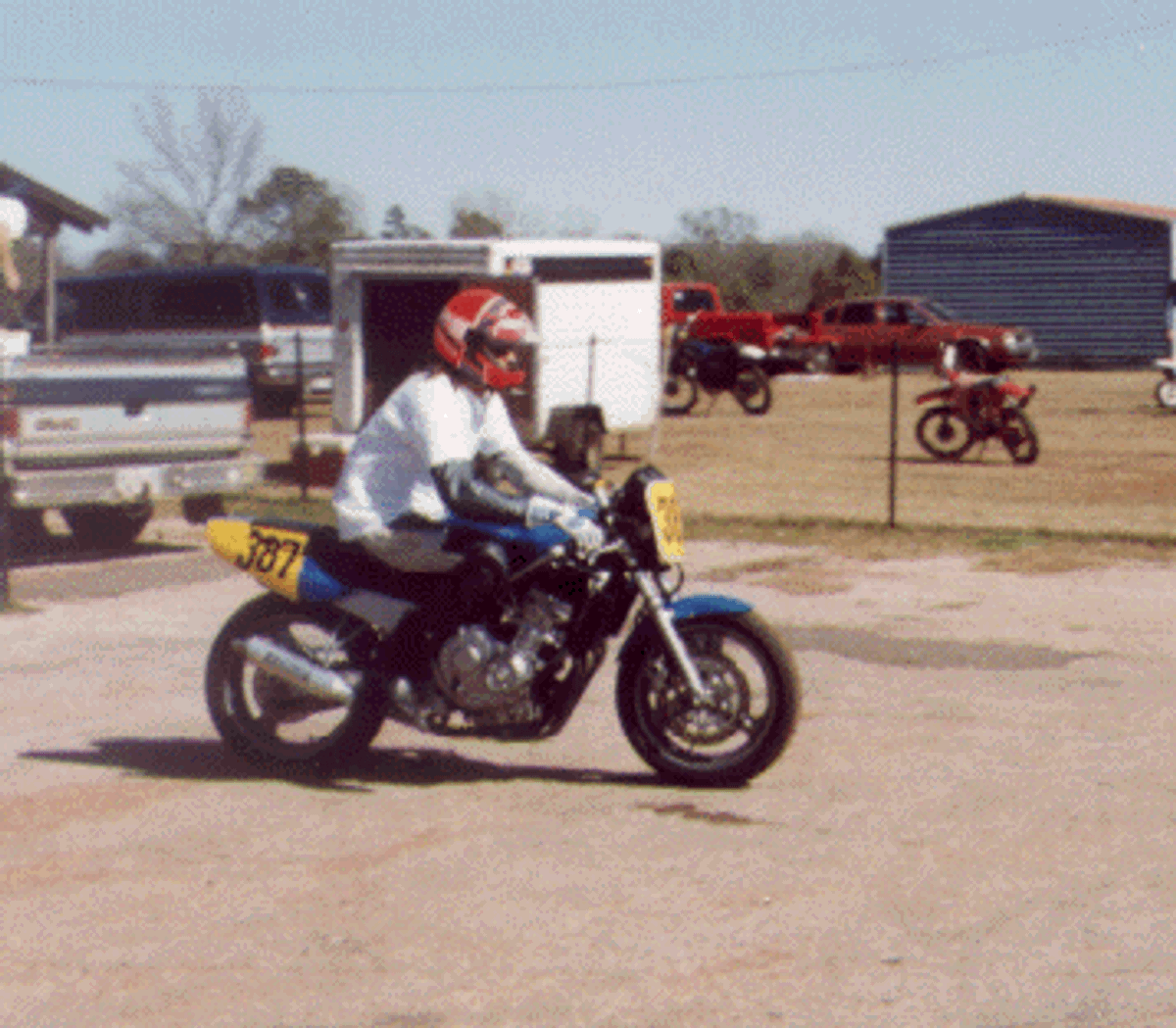
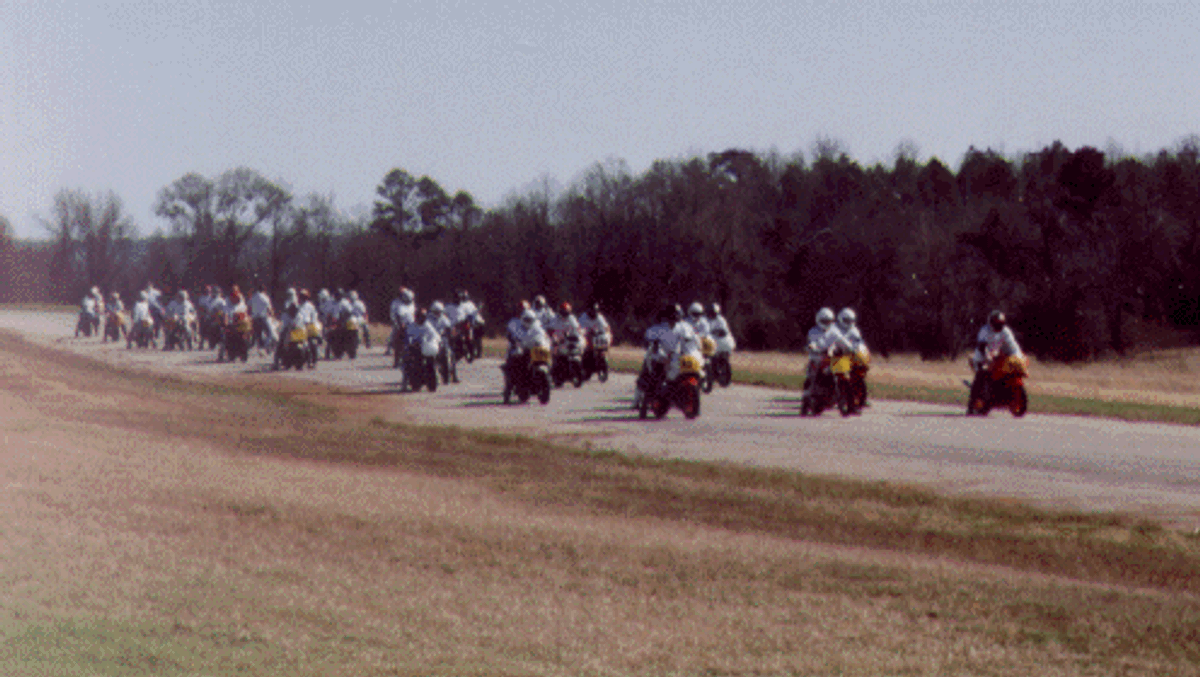
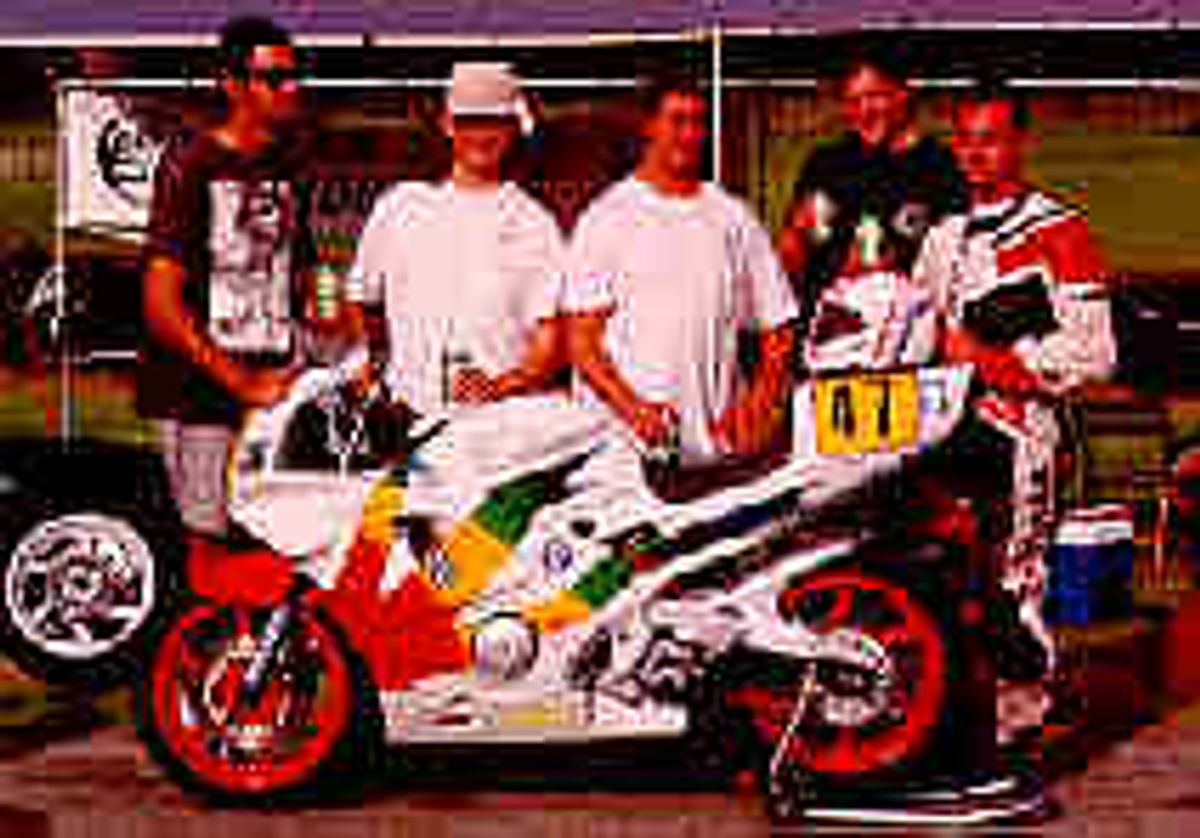
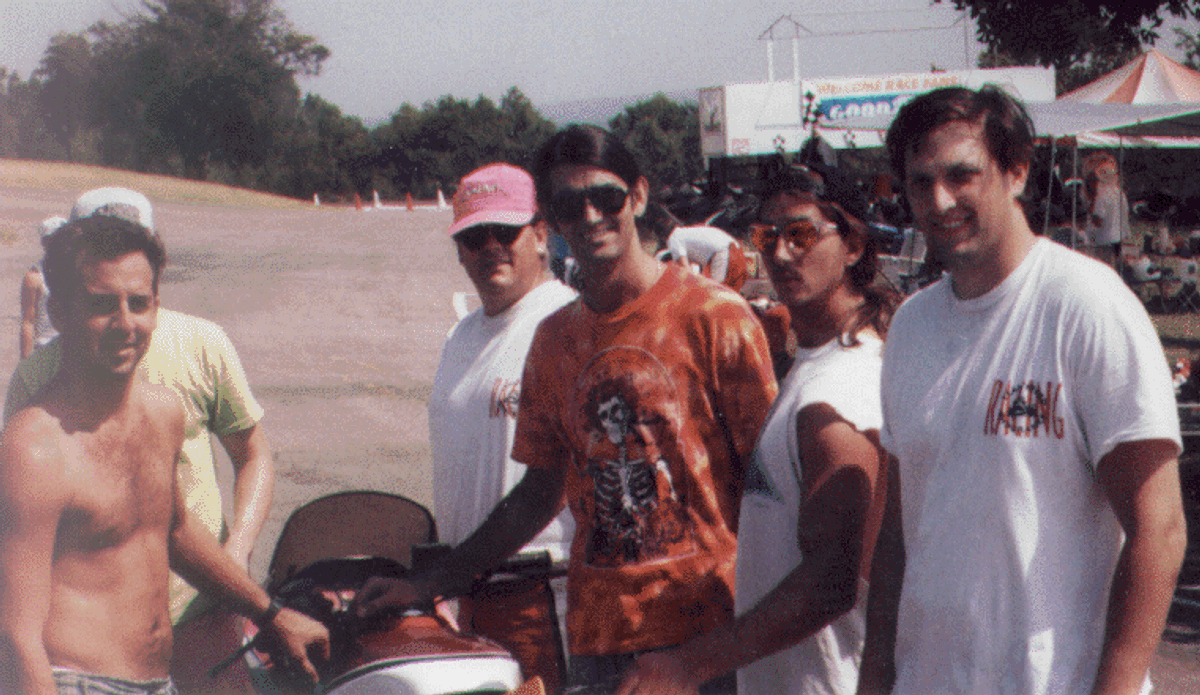
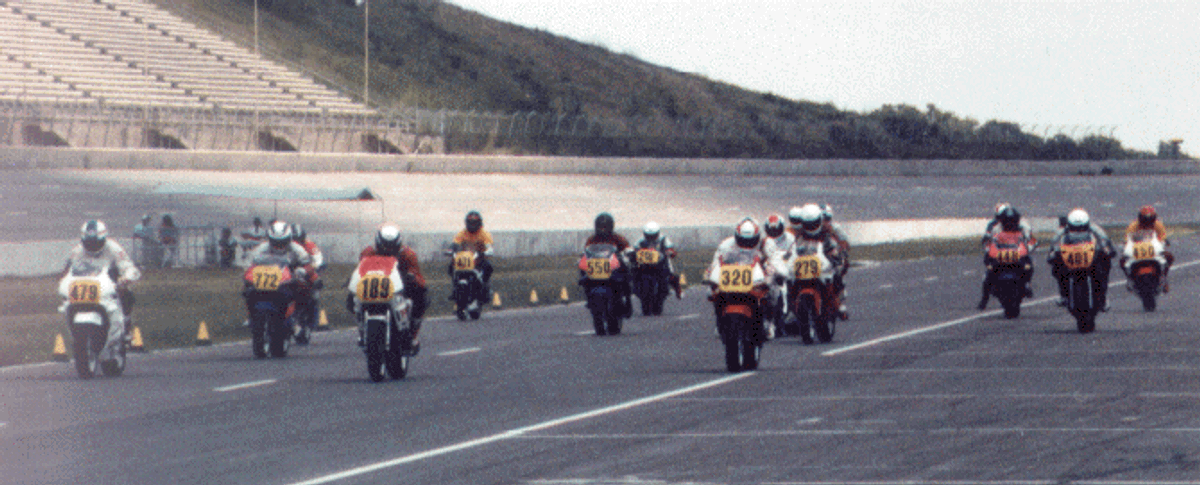
By 1993 we had five guys — Kris, Steve, Kevin, Tom, and me — sharing one bike and one entry fee that Nortel reimbursed, rotating through the seat of that same Interceptor 500vin the CMRA's Lightweight Endurance series. Endurance racing in those years meant 2 to 8-hour events where every bike (1000cc-250cc Production and Superbikes) went out at once and whoever logged the most laps when the clock ran out won. A rider would push until he ran out of fuel or had a problem (i.e crashed), come in for a pit stop — fuel topped up, tires or brakes swapped if needed, fix Kris' crash damage :-) — and the next rider would go out and do it all over again. It was as much logistics and crew work as it was riding. I don't have any records from that first season, no standings, no race reports. I know we showed up and raced. That's about all I can tell you.
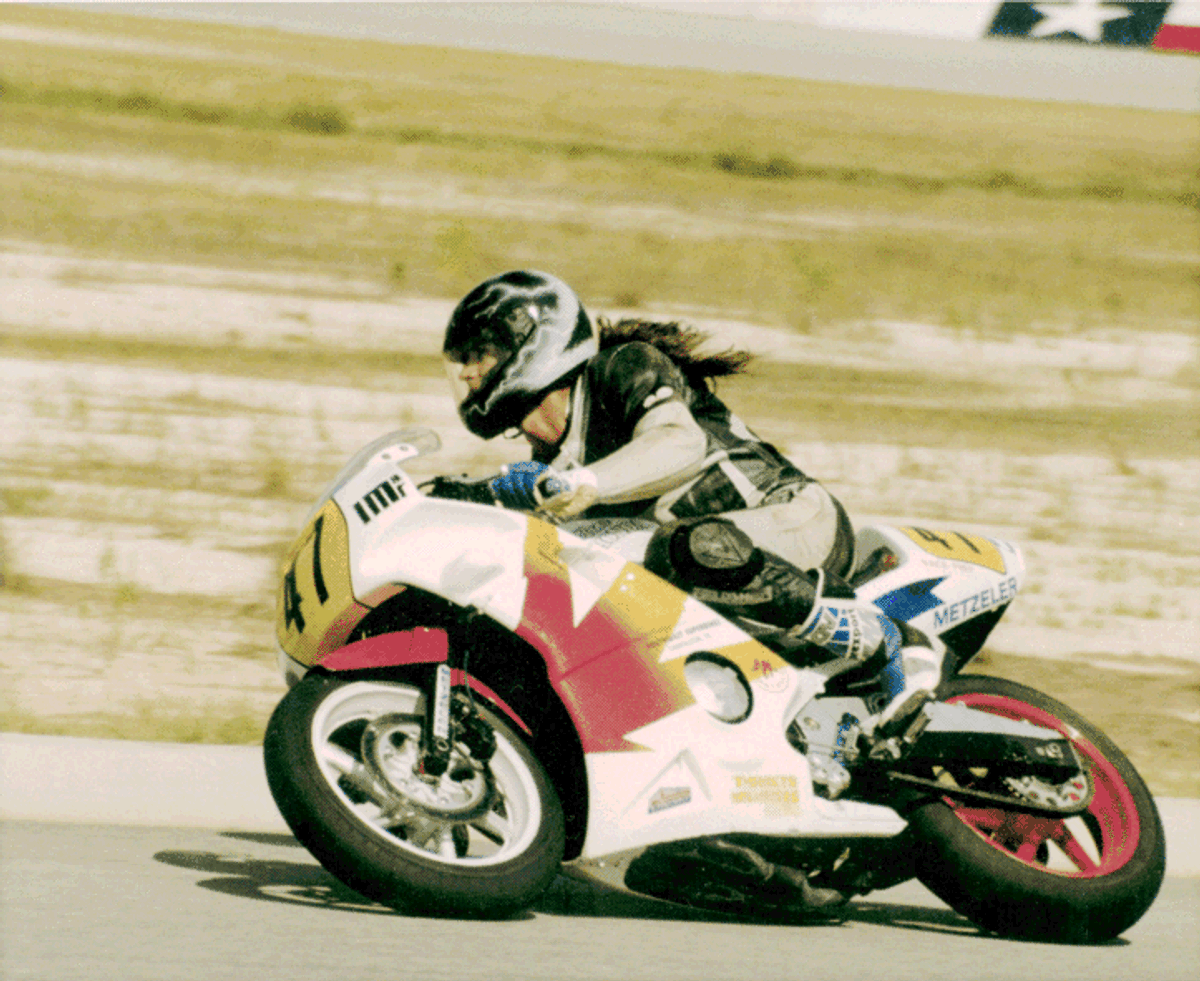
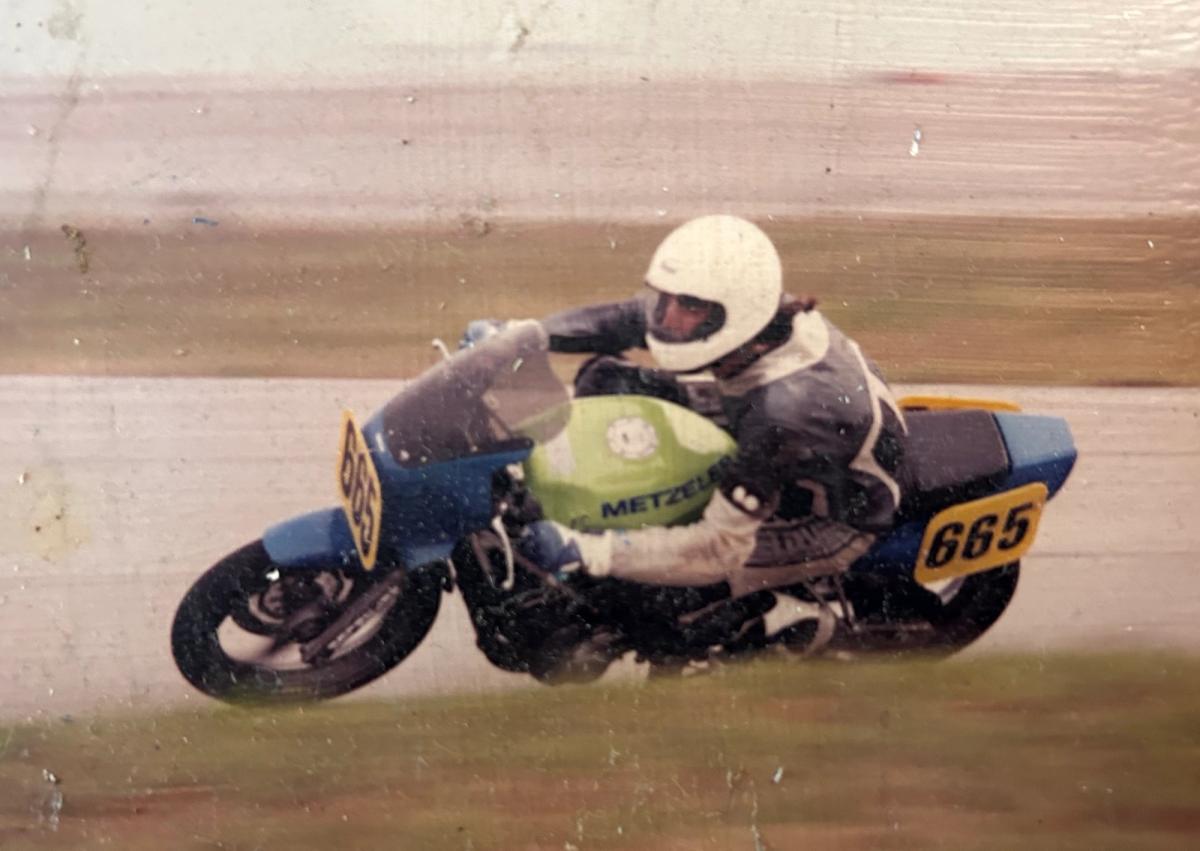
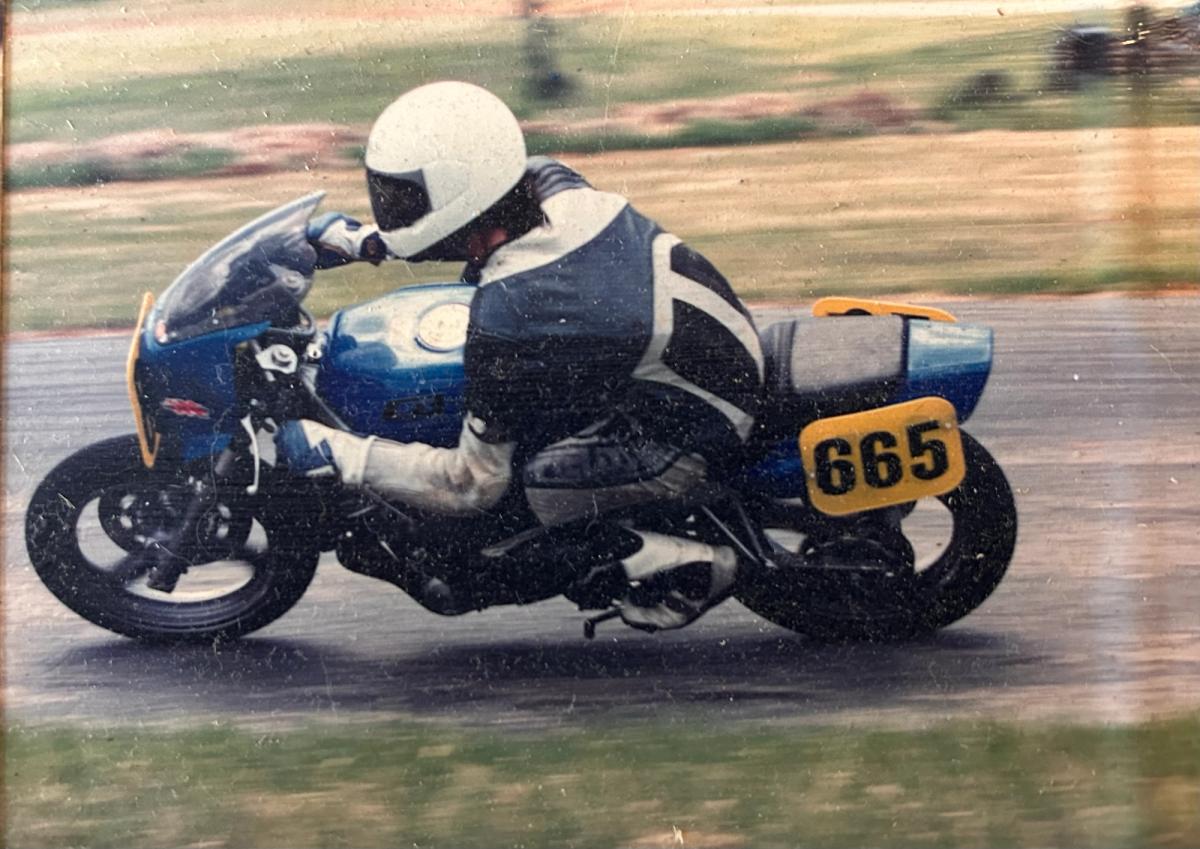
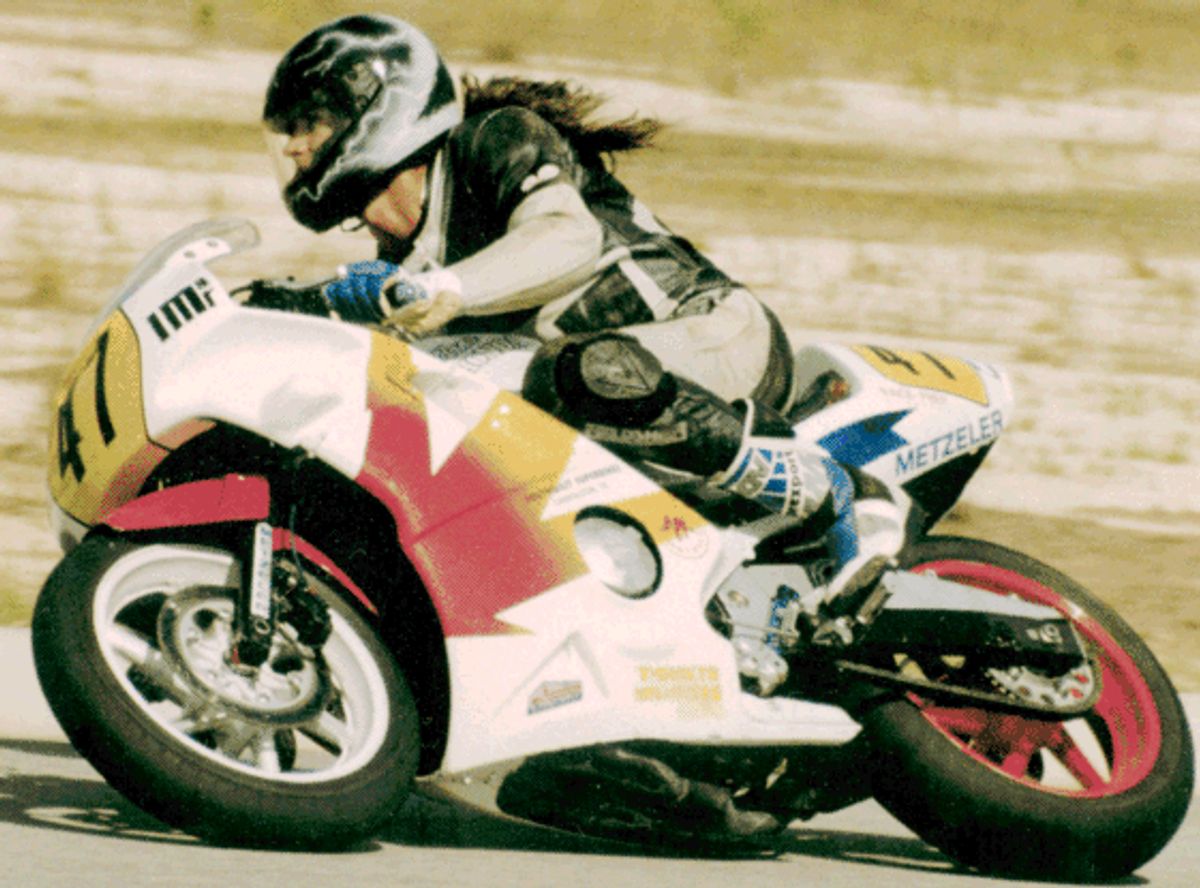
1994 was the year things got real. Steve left to chase Sprint races — 8 laps, first across the line, a completely different game — and Trey joined. We upgraded to a Honda CBR600F2 and stepped up into Middleweight Production Endurance, which meant faster bikes and people who actually knew what they were doing. We ended up 12th overall and 4th in class for the season, which felt like a legitimate result. That was also the year we started showing up at WERA National events — Road Atlanta and Memphis. I wish I still had those Road Racing World magazines from that stretch. I can't tell you where we finished.
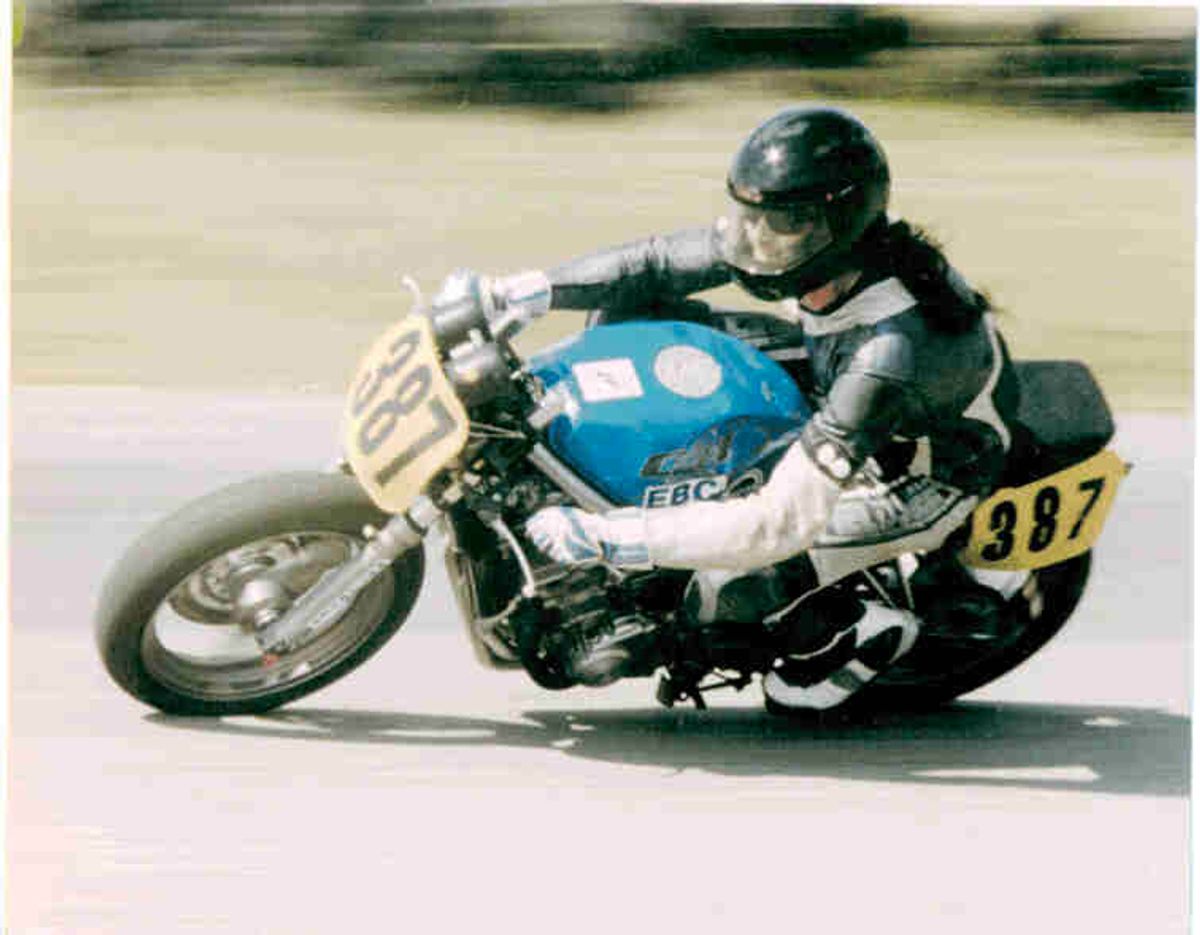
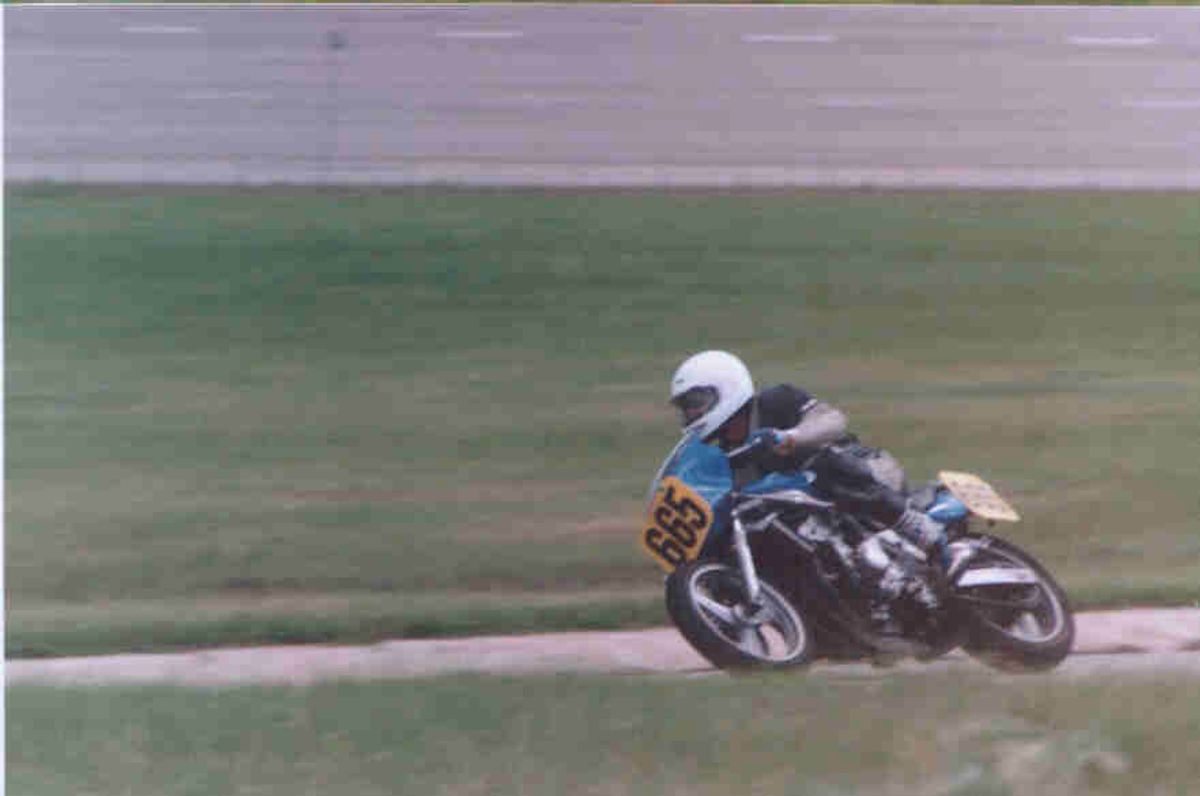
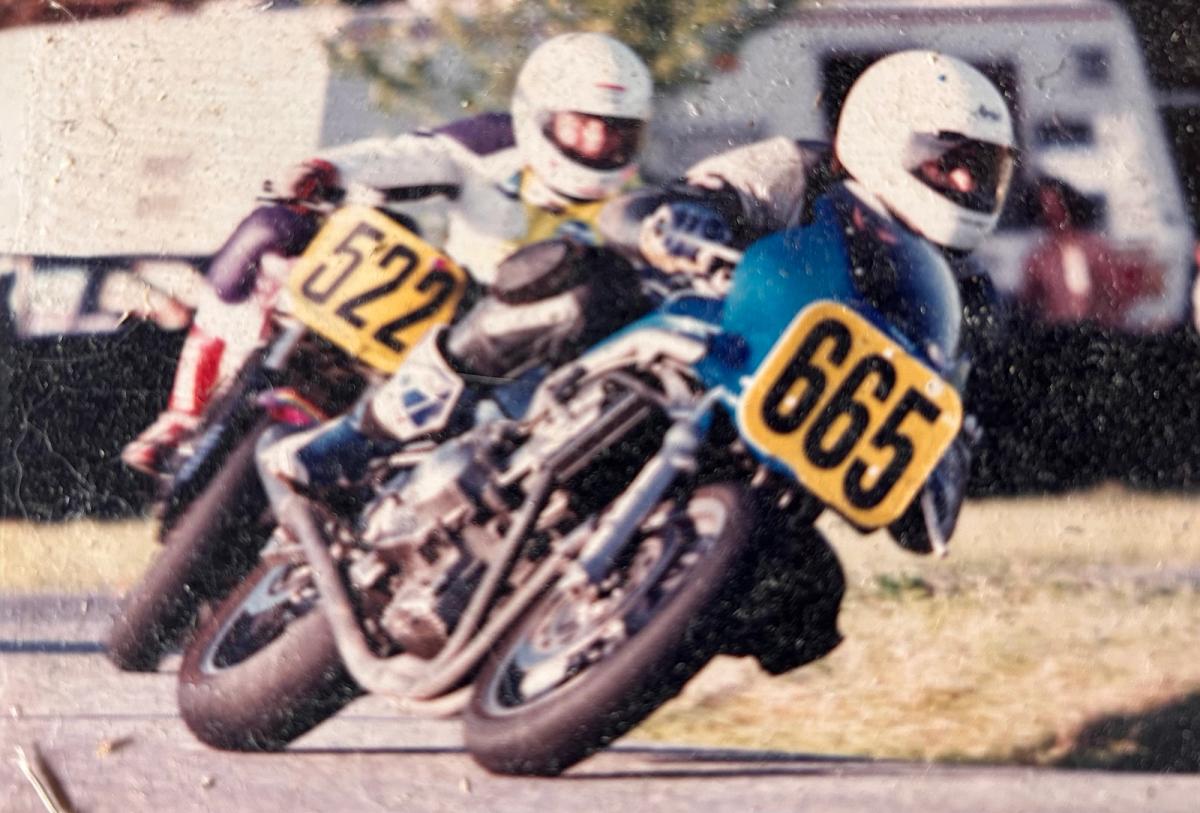
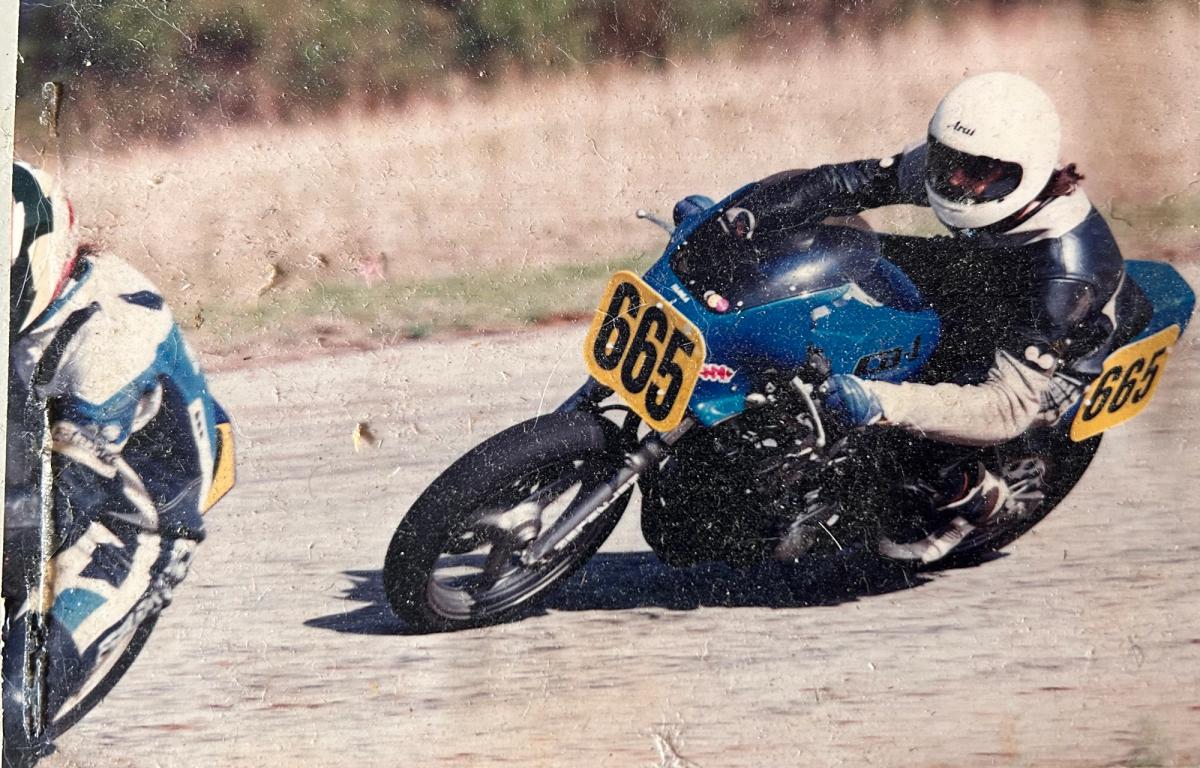
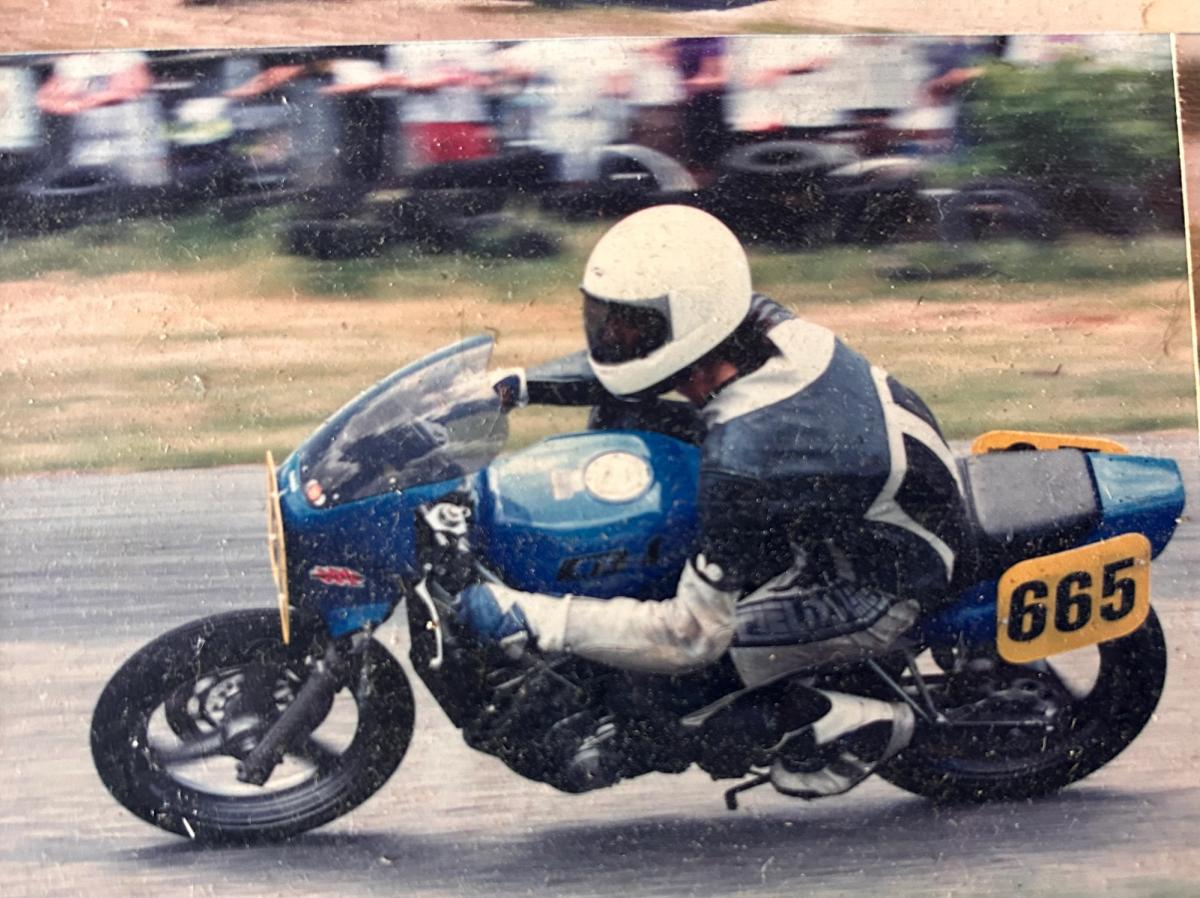
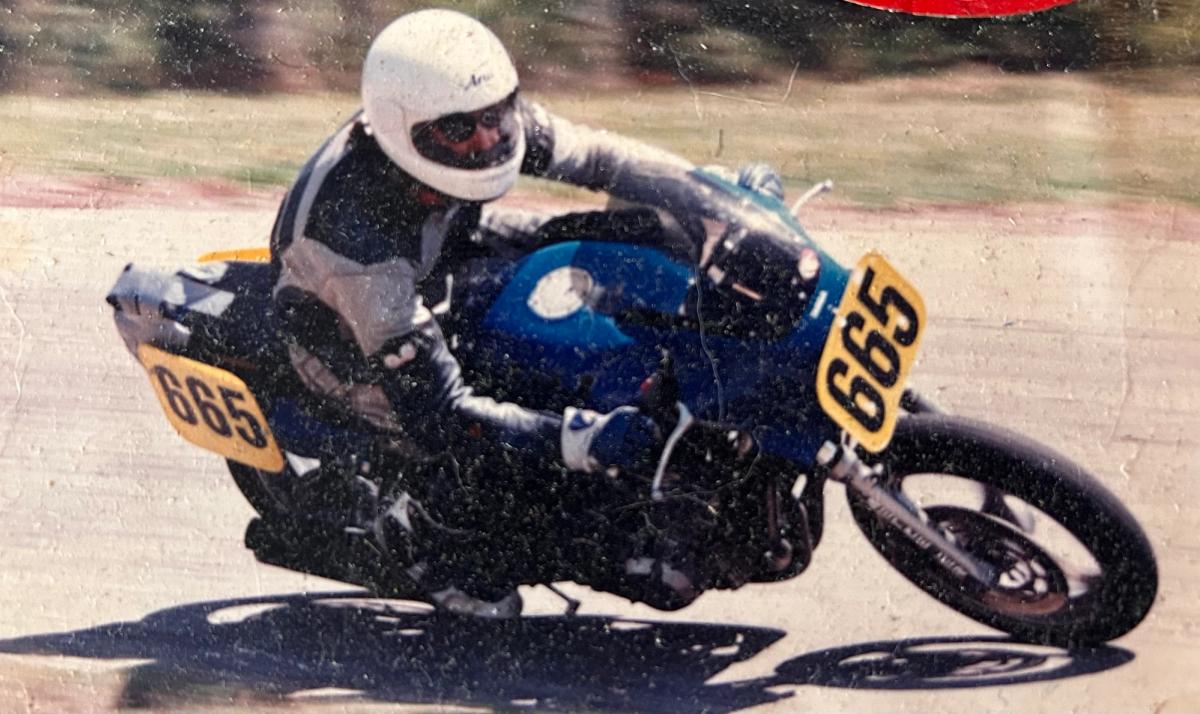
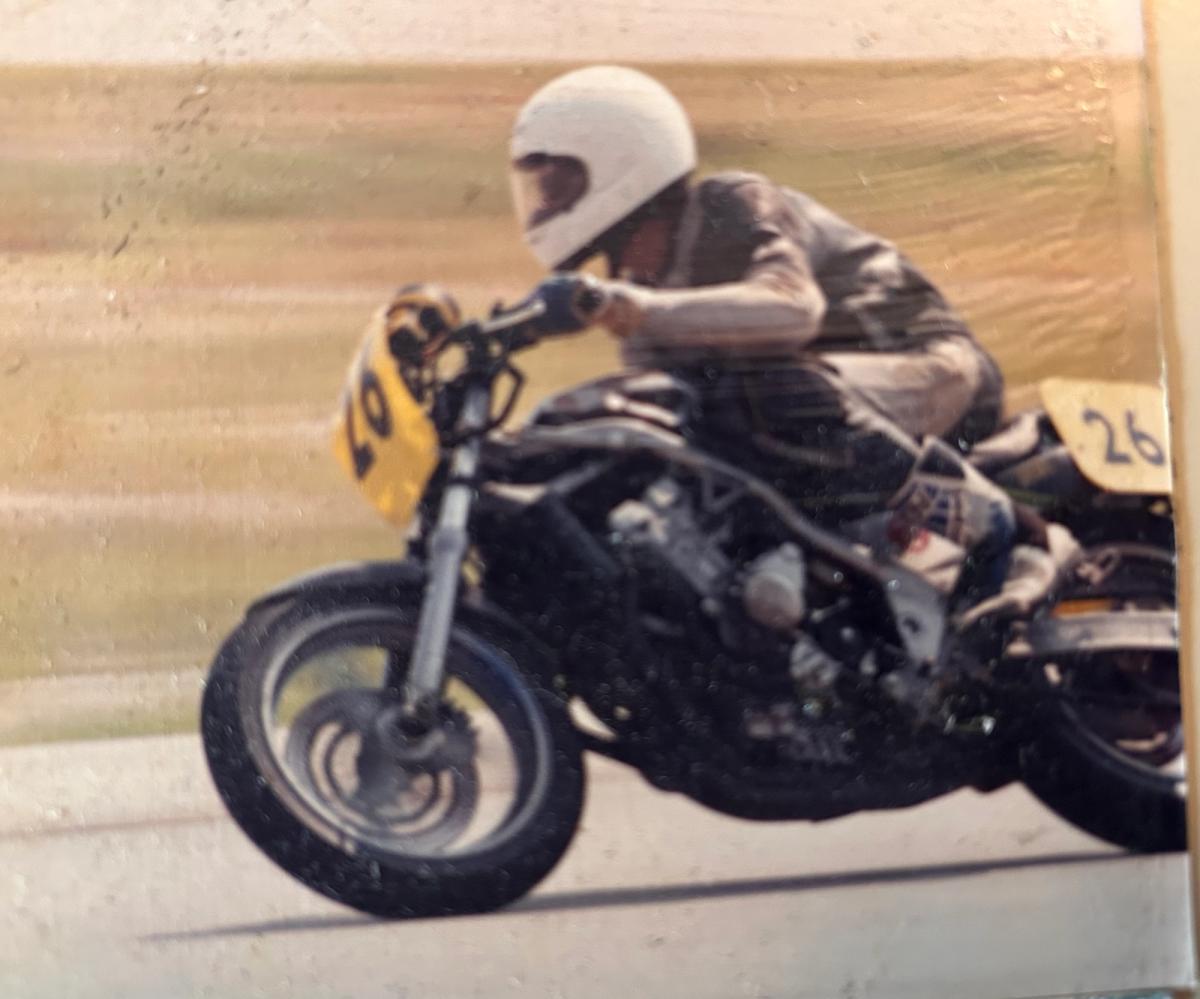
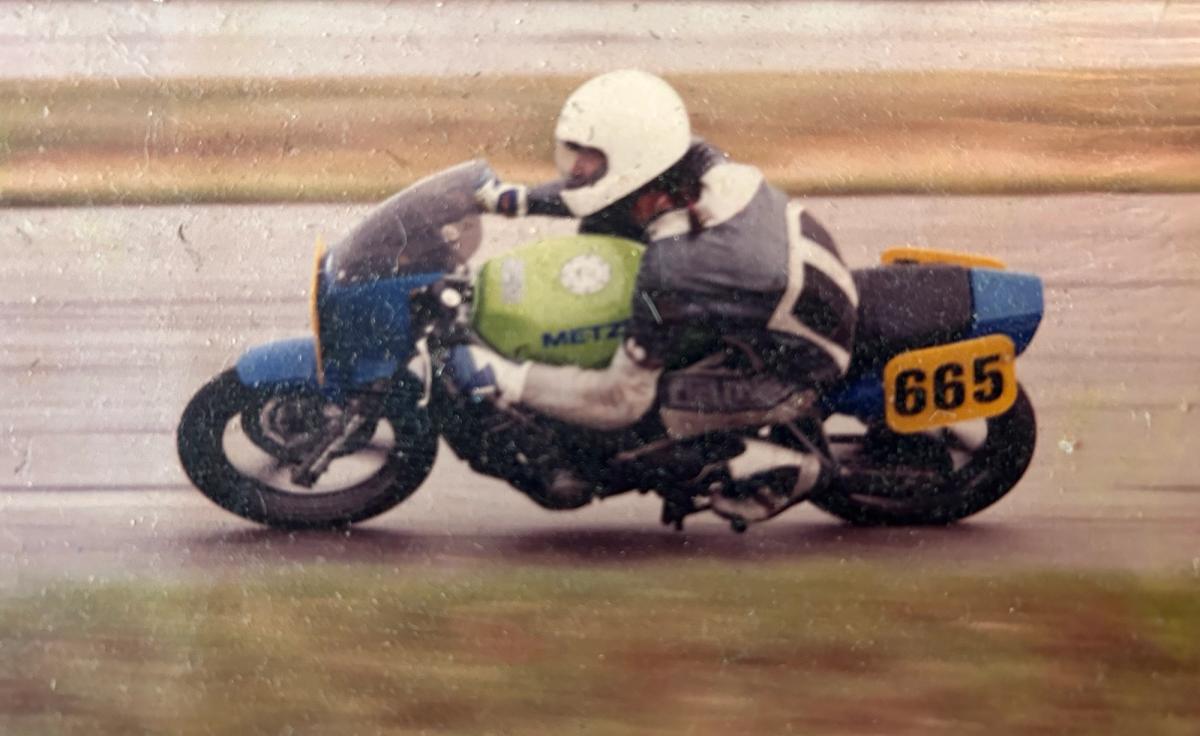
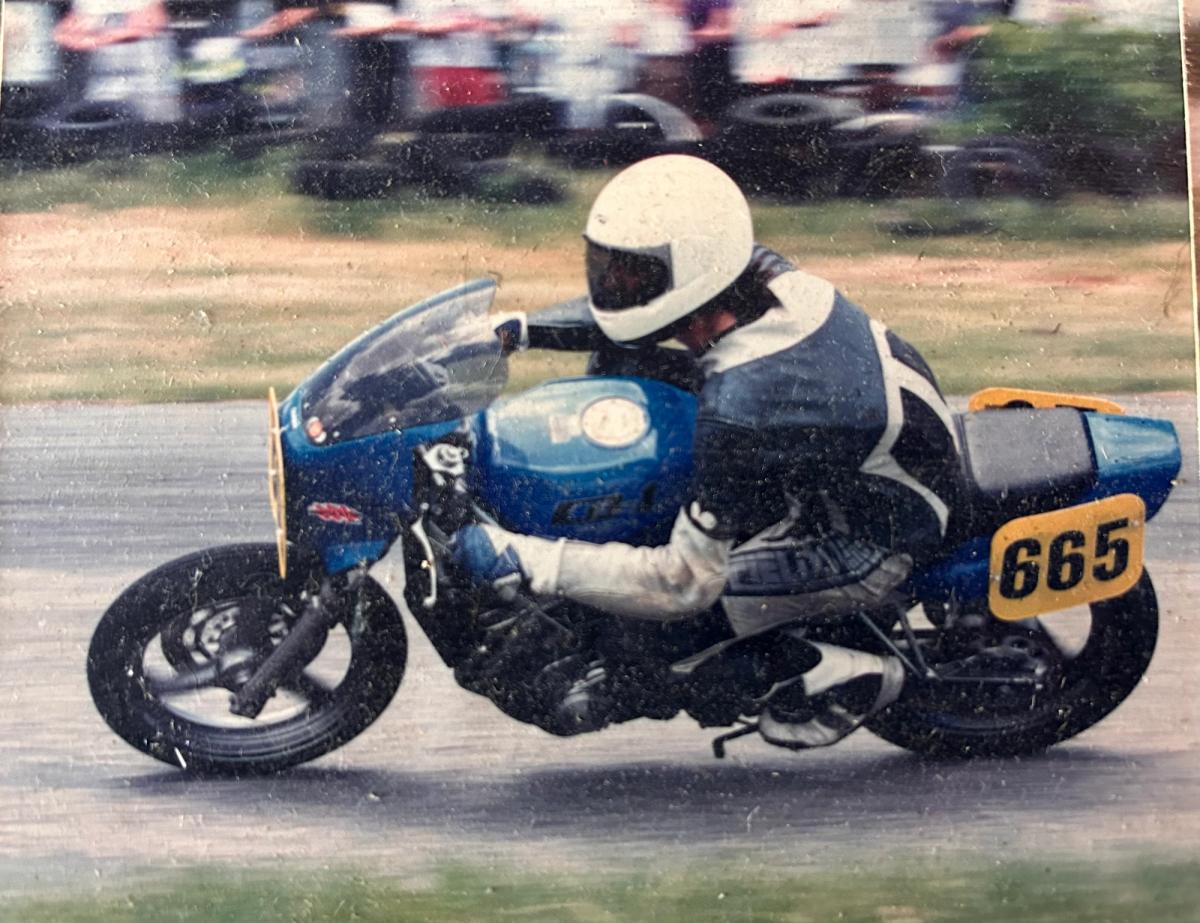
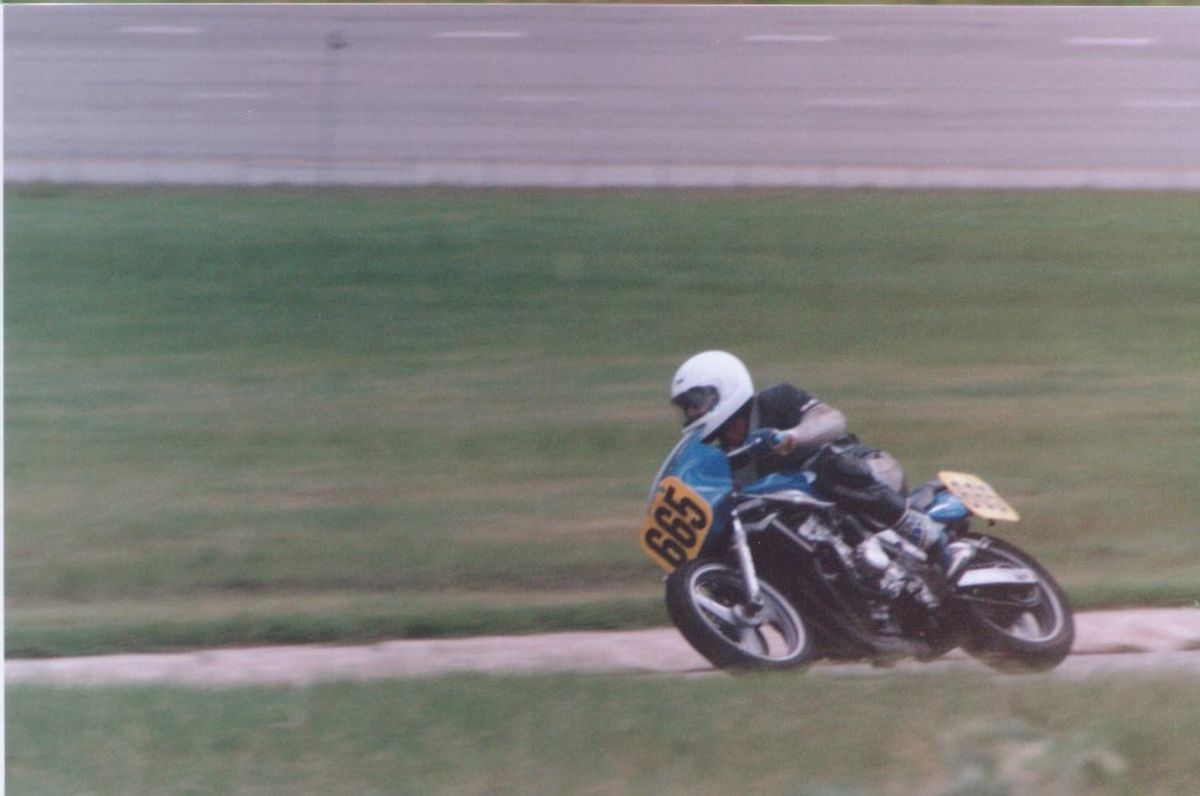
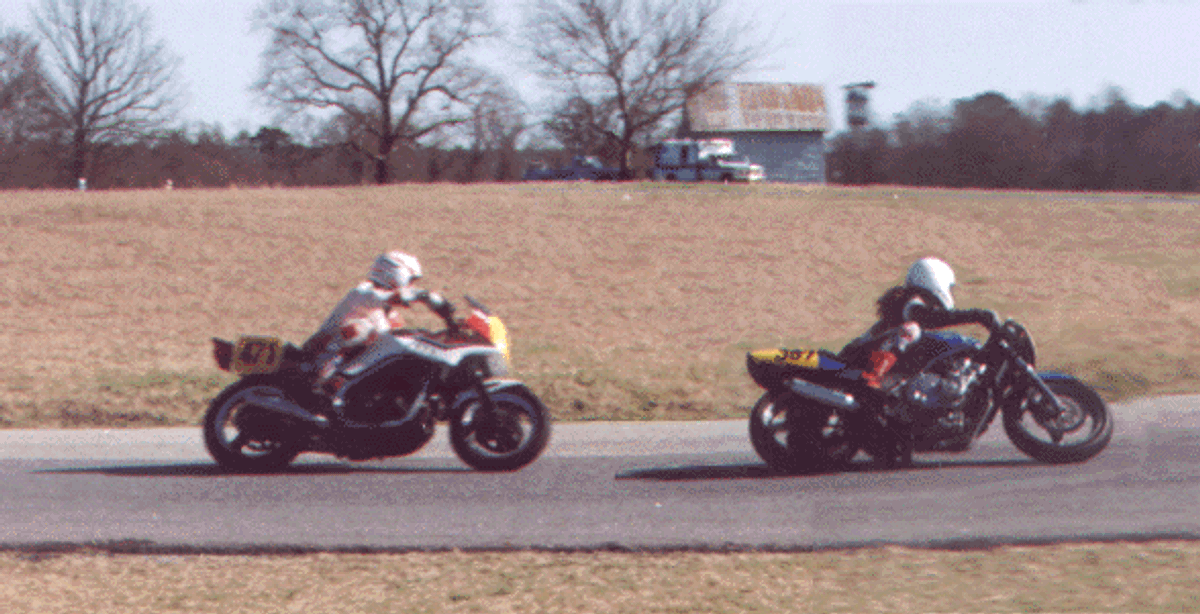
After 1994, Team Speed dissolved the way a lot of groups do — not dramatically, just gradually. Kris and the others split into two new teams, "Team Scream" and "Come From Behind Racing," and I couldn't commit to a full endurance schedule, so I became a fill-in rider. Whenever a team was short a body for the weekend, I'd slot in. On those same weekends I started Sprint racing my own bike, a stock Honda CB-1. I wasn't training for it, I wasn't taking it seriously, and I still ended up 9th overall in D Production at the end of 1995 despite missing a lot of the rounds.
So in 1996 the plan was to actually do it right. Run the full season, commit to the CB-1 in Sprint races, see what the results looked like with some intention behind them. I completed the first five of nine race weekends. Even with four rounds unfinished, the final standings held: 4th in D Production, 9th in D Superbike and 10th in Formula 2 — all on a completely stock CB-1. To be honest I never even wondered where I ended in points, but now looking back at these old race reports I wonder if I would have won that class for 1996.
The CMRA published a magazine called Inside Line through most of the mid-90s. That's where the race reports lived — the lap counts, the class results, the names of whoever crashed out in turn three. Seventeen issues from 1994 through 1997 are archived below. They're the actual record of those weekends, closer to the truth than anything I'd remember on my own.


